

1.75 mm PolyCarbonate Filament - 1 KG
Tax included. Shipping calculated at checkout
Store-wide Bulk Filament Pricing
- Buy any 3+ rolls of filament and save 5%
- Buy any 6+ rolls of filament and save 10%
- Buy any 12+ rolls of filament and save 15%
Choose options


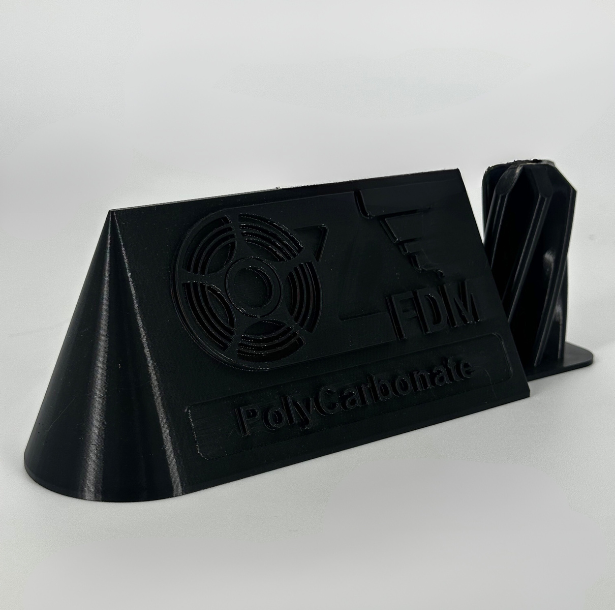
OzFDM PolyCarbonate Filament
OzFDM Polycarbonate (PC) 1.75mm filament is a high performance engineering material designed for makers who need exceptional strength, heat resistance, and impact durability. Known for its toughness and structural stability, PC is ideal for demanding applications where standard filaments may fall short.
Engineered for reliable extrusion and consistent layer adhesion, OzFDM Polycarbonate delivers excellent mechanical performance while maintaining precise dimensional accuracy, making it well suited for functional prototypes, tooling, enclosures, and end use parts.
From mechanical components and protective housings to high temperature resistant fixtures and industrial grade models, OzFDM Polycarbonate filament delivers professional results with confidence. With consistent 1.75 mm diameter and controlled manufacturing quality, it is the perfect filament for pushing performance boundaries in advanced 3D printing.
3 Tones, For Any Print.
PolyCarbonate - Shade Range
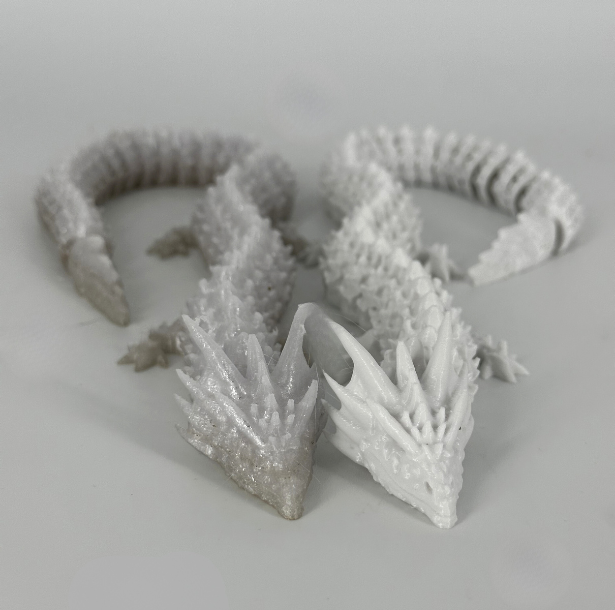
OzFDM Polycarbonate is available in three versatile tones designed to suit virtually any application. Natural, White, and Black are timeless staples that deliver clean, professional results across functional and aesthetic prints alike. Elevate your designs with OzFDM Polycarbonate and experience strength, performance, and reliability without compromise.


Advanced Material, Smart Setup
AMS-Compatible, With Considerations
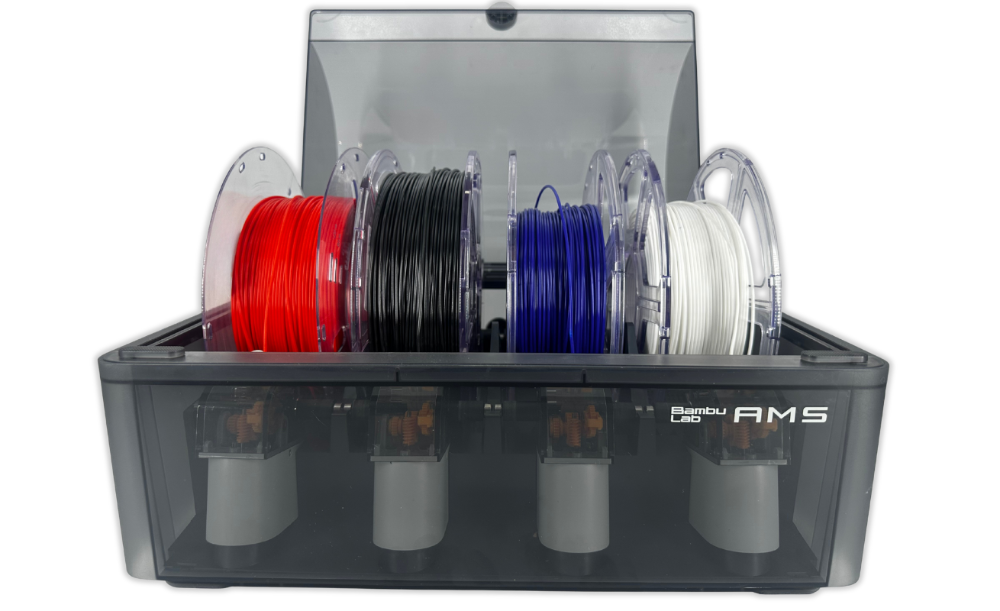
- OzFDM's Polycarbonate filament is compatible with Bambu Lab AMS and AMS Lite systems when used with appropriate printing precautions.
- Due to Polycarbonate’s higher stiffness and temperature requirements, optimal results are achieved by ensuring the filament is thoroughly dry, using a hardened steel nozzle, and confirming your printer profile is correctly configured for PC materials.
- When these best practices are followed, Polycarbonate feeds reliably through AMS systems and delivers consistent, high strength, professional quality prints.
Built for Performance
Why Makers Choose PolyCarbonate
Exceptional Strength & Impact Resistance
- Polycarbonate is known for its outstanding toughness and ability to withstand heavy mechanical stress.
- It produces strong, rigid parts that resist cracking and deformation, making it ideal for functional components, housings, brackets, and tooling.
- This high impact performance makes Polycarbonate a reliable choice for demanding applications where durability truly matters.
High Heat Resistance
- Polycarbonate offers excellent thermal stability compared to standard filaments, allowing printed parts to maintain their shape and performance at elevated temperatures.
- This makes it well suited for environments where heat exposure would cause PLA or PETG to soften.
- It is an ideal material for fixtures, enclosures, and components that require long term temperature resistance.
Engineering Grade Performance
- Designed for professional and industrial style printing, Polycarbonate delivers strong layer adhesion, good dimensional stability, and consistent extrusion when printed with the correct settings.
- This combination of mechanical strength and print reliability makes Polycarbonate a go to material for advanced makers and engineers pushing beyond everyday filaments.

Polycarbonate Performance Overview
What PC's Data Shows
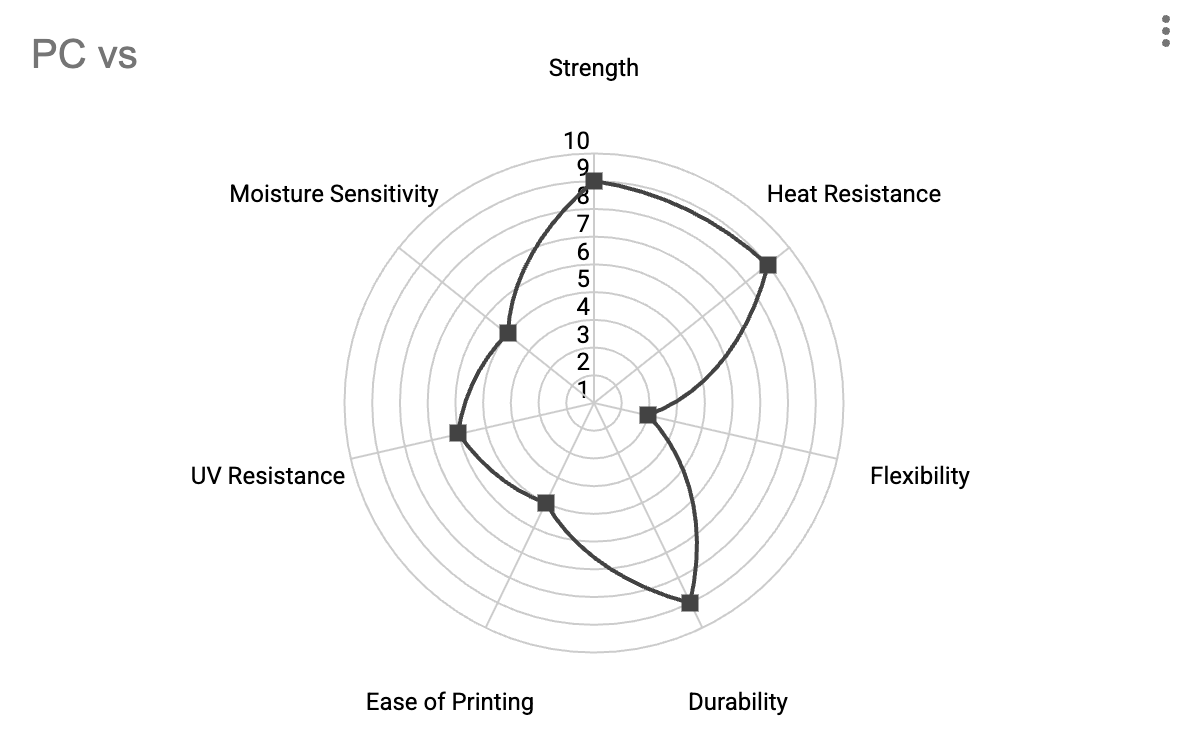
- Polycarbonate scores exceptionally high in strength, heat resistance, and durability, reinforcing its position as a true engineering grade filament for demanding applications.
- While it is more rigid and requires more controlled printing conditions than entry level materials, its outstanding mechanical and thermal performance makes it ideal for functional parts, enclosures, and components exposed to higher temperatures.
- Overall, these results position Polycarbonate as a premium material for makers who need reliability, toughness, and long term performance beyond standard filaments.
PolyCarbonates Technical Specifications
This section outlines the core material composition and filament characteristics of OzFDM Polycarbonate, including diameter consistency, spool format, and available shade options. It provides a high level overview of PC as a high performance engineering material designed for strength, heat resistance, and reliability.
For additional details on packaging, storage, and shipping, see the information provided below.
Filament weight
1KG
Filament diameter
1.75mm
Dimensional tolerance
±0.05mm
Spool weight (empty)
150g
Spool weight (new)
1.15KG
Spool diameter outer
200mm
Spool diameter inner (hub)
52mm
Spool width
65mm
Package weight
1.3KG
Package dimensions
210mm x 210mm x 75mm
Drying recommendation:
80°C for 12 hours using a filament dryer / food dehydrator.
Storage recommendation:
Airtight bag or container with desiccant in a cool, dark and dry area to prevent moisture absorption. For optimal long term storage we recommend drying the filament prior to sealing the filament spool in a vacuum bag with desiccant.
Biodegradable under commercial composting conditions. Please do not throw into your compost bin at home.
Here you will find recommended printing guidelines to achieve optimal layer adhesion, surface finish, and dimensional accuracy when printing with Polycarbonate. Following these parameters will help ensure consistent extrusion and reduce the risk of warping or layer separation.
Nozzle temperature
240°C - 260°C
Bed temperature
100°C - 120°C
Printing speed
40mm/s - 60mm/s
Support material
PC (Itself, as support interface)
These values describe how Polycarbonate performs under mechanical stress, including strength, rigidity, and impact resistance. Polycarbonate is engineered for functional and structural applications where durability and load bearing capability are required.
For a deeper look at strength, durability, and tested material performance, refer to the mechanical property data outlined below.
Tensile Strength
ISO 527
40~45 Mpa
Elongation at Break
ISO 527
7~9 %
Flexural Modulus
ISO 527
1800~1950 Mpa
Flexural Strength
ISO 178
83~87 Mpa
Impact Strength
ISO 180
4.5~5 KJ/m²
This section details the physical characteristics of Polycarbonate such as density, appearance, and dimensional stability. These properties influence how the material behaves during printing and contribute to its high quality, professional finish.
For a closer look at density, flow rate, and moisture resistance, see the physical property data outlined below.
Density
ISO 1183
1.20~1.21 g/cm3
MFR(250°C/2.16Kg)
ISO 1133
3~5 g/10min
Moisture Absorbtion (23°C/24h)
ISO 62
<0.8 %
Thermodynamic properties outline how Polycarbonate responds to heat, including thermal stability and softening behaviour. These values help confirm suitability for parts exposed to elevated temperatures and demanding environments.
For detailed insights on heat deflection and continuous use ratings, refer to the thermal property data provided below.
HDT @ 0.455 Mpa (66 psi)
ISO 75
123 °C
Continuous Use Temperature
IEC 60216
130 °C